
The Biggest Mistakes People Make After Stopping GLP-1s and How to Avoid Them
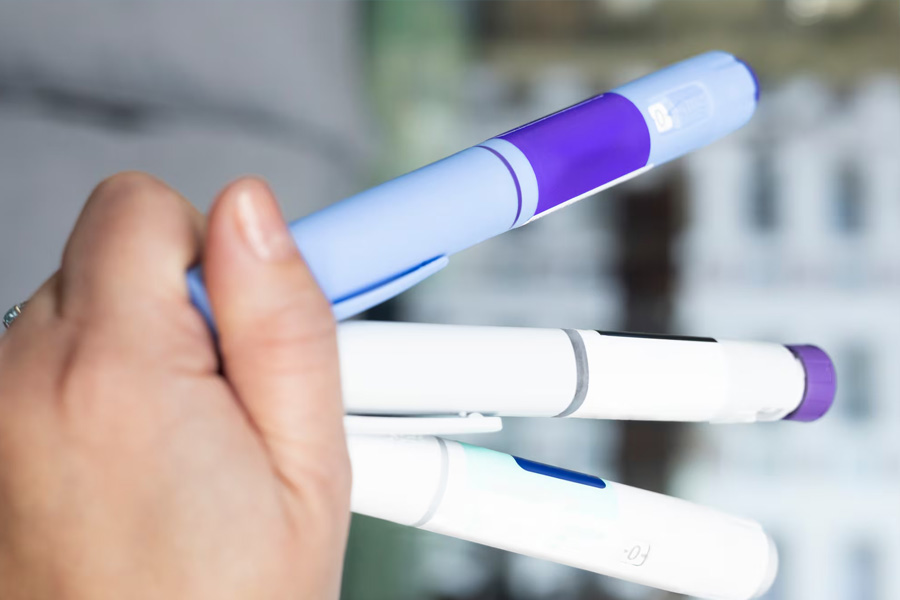
GLP-1 medications such as semaglutide and Ozempic have helped many people lose weight and regain metabolic control. However, stopping GLP-1s is a critical transition period, and what happens next often determines whether results are maintained or reversed.
The hardest part isn’t getting started on GLP-1s. In reality, the biggest risks often pop up after stopping GLP-1 medications, especially if supportive habits are not firmly in place.
This article explores what happens when you stop taking GLP-1s, the most common mistakes people make during this phase, and how to avoid them for sustainable, long-term success.
What Happens When You Stop Taking GLP-1s?
GLP-1 medications work by reducing appetite, slowing gastric emptying, and improving blood sugar regulation. When these medications are discontinued, those effects gradually diminish.
Common changes people notice after stopping GLP-1s include:
- Increased hunger and food noise.
- Changes in satiety and portion control.
- Slower weight loss or weight regain.
- Greater reliance on habits rather than medication support.
These shifts are physiological, not personal failures, but they require intentional lifestyle adjustments to manage effectively.
Mistakes People Make After Stopping GLP-1s
1: Stopping Healthy Habits Along With the Medication
One of the most common mistakes after stopping semaglutide or Ozempic is letting go of structure.
Some people unintentionally:
- Stop exercising consistently (or didn’t find a routine that worked for them in the first place!)
- Lose routine around meals
- Rely on willpower instead of having a plan
GLP-1s often make healthy behaviours feel easier. Once that support is removed, habits must carry the workload.
How to Avoid It
Maintain consistent routines around movement, sleep, hydration, and meal timing. These habits become even more important after stopping GLP-1s.
2: Undereating Protein and Key Nutrients
During GLP-1 use, appetite suppression can lead to lower overall intake, including protein. After stopping GLP-1s, failing to correct this can backfire.
Low protein intake may contribute to:
- Increased hunger
- Loss of lean muscle
- Reduced metabolic efficiency
How to Avoid It
Prioritise protein at every meal and ensure meals are balanced with fibre, healthy fats, and micronutrients. Structured nutrition helps stabilise appetite signals as the body recalibrates.
3: Ignoring Hunger and Satiety Cues
Many people become disconnected from internal hunger cues while on GLP-1s because appetite signals are muted.
After stopping GLP-1 medications, hunger often returns quickly. Ignoring or fighting it can lead to:
- Overeating later in the day
- Cycles of restriction and rebound
- Increased stress around food
How to Avoid It
Learn to respond to hunger cues with intentional, nutrient-dense meals, rather than delaying eating or relying on extreme restriction.
4: Returning to Old Habits Too Quickly
Another frequent issue after stopping GLP-1s is reverting to pre-medication patterns, such as:
- Emotional eating
- Irregular meal timing
- Sedentary routines
- Mindless snacking
Without the appetite regulation provided by GLP-1s, these habits can resurface rapidly.
How to Avoid It
Focus on replacing old behaviours with sustainable systems, not short-term fixes. Behaviour change, not medication alone, drives long-term outcomes.
Can I Stop GLP-1 Cold Turkey?
This is a common question: can I stop GLP-1 cold turkey?
Medication decisions should always be made with a qualified healthcare provider. From a lifestyle perspective, stopping suddenly without a transition plan often leaves people unprepared for returning hunger and behavioural challenges.
A gradual, supported transition that focuses on habits, movement, and nutrition is generally more manageable than abrupt change without structure.
Why the Transition Off GLP-1s Matters More Than the Medication Itself
GLP-1s can be a powerful tool, but they are not a long-term strategy on their own. The transition phase determines whether progress is preserved or lost.
Long-term success depends on:
- Rebuilding trust with hunger signals.
- Creating consistent fitness routines.
- Learning how to fuel the body appropriately.
- Developing skills that support weight maintenance.
This is where many people struggle, not because they lack discipline, but because they lack guidance.
How Unite Fitness Retreat Supports Long-Term Success After GLP-1s
For individuals navigating life after stopping GLP-1s, structured support can make the difference between maintaining results and starting over.
Unite Fitness Retreat offers a dedicated Transition Off GLP-1 Program designed to help participants:
- Re-establish healthy eating patterns.
- Build sustainable fitness routines.
- Improve body composition and metabolic health.
- Create habits that last beyond medication.
Rather than focusing on restriction, the program emphasises education, structure, and behaviour change to support long-term success.
Learn more about the program here: https://www.unitefitnessretreat.com/transition-off-glp1-program/
Final Thoughts
Stopping GLP-1 medications is not the end of the journey; it is a new phase that requires intention and support.
By avoiding common mistakes such as abandoning routines, under-fuelling, ignoring hunger cues, or reverting to old habits, it is possible to maintain progress and build a healthier relationship with food and movement.
With the right systems in place, long-term success after GLP-1s is achievable.
FAQs
1: What happens when you stop taking GLP-1 medications?
Hunger often increases, appetite regulation changes, and weight maintenance depends more heavily on habits and lifestyle behaviours.
2: Is weight regain inevitable after stopping GLP-1s?
Weight regain is not inevitable, but it is more likely without structured nutrition, movement, and behavioural support.
3: Can I stop taking semaglutide or Ozempic suddenly?
Medication changes should always be discussed with a healthcare provider. From a lifestyle perspective, having a transition plan is critical.
4: Why do people struggle after stopping GLP-1s?
Many people rely on the medication’s appetite suppression without fully developing sustainable habits during treatment.
5: How can I maintain results after stopping GLP-1s?
Focus on protein intake, consistent movement, hunger awareness, and structured routines. Programs designed for post-GLP-1 transitions can also help.