

Can You Attend a Fitness Retreat With High Blood Pressure?
By: Wayne Larsen, Certified Strength and Conditioning specialist and Weight Loss Expert, Unite Fitness Retreat
Can You Attend a Fitness Retreat With High Blood Pressure? A Practical Guide
Yes, many adults with well-controlled high blood pressure can participate in a fitness or health retreat—with their healthcare provider’s approval and a program appropriate for their health and physical abilities. Regular exercise, balanced nutrition, healthy weight management, and stress reduction can all support blood pressure management. However, an active retreat is not appropriate for everyone, particularly when hypertension is uncontrolled.
If you’ve been diagnosed with high blood pressure, you may be wondering whether attending a fitness retreat is a good idea.
Maybe your doctor has encouraged you to become more active.
Maybe you’re carrying extra weight and want to improve your cardiovascular health.
Or perhaps you’ve spent years managing everyone else’s needs while your own health has quietly slipped down the priority list.
Now you’re ready for a change.
But there’s one question holding you back:
Can I safely participate in a fitness retreat if I have high blood pressure?
It’s an important question, and one worth answering carefully.
At Unite Fitness Retreat in Salt Lake City, Utah, we welcome adults with a wide range of fitness backgrounds and health goals. Our boutique, all-inclusive program combines personalized exercise, chef-prepared meals, nutrition education, guided outdoor activities, and mindfulness.
But we’re also very clear about something: A fitness retreat is not a substitute for medical care, and guests need their doctor’s consent before beginning our active program.
Let’s explore how fitness and lifestyle changes can support healthier blood pressure, what precautions matter, and how to determine whether a residential health retreat could be the right next step for you.
Key Takeaways: High Blood Pressure and Fitness Retreats
- Having high blood pressure doesn’t automatically prevent you from attending a fitness retreat. Your blood pressure control, medical history, medications, and current fitness level all matter.
- Exercise can support healthier blood pressure. Regular aerobic activity and appropriately prescribed resistance training are valuable components of hypertension management.
- Medical clearance comes first. Unite requires a doctor’s consent before beginning its active fitness program.
- You don’t need extreme workouts. Walking, cycling, appropriately modified strength training, and gradual progression can offer meaningful benefits.
- Nutrition matters beyond calorie counting. A heart-healthy eating pattern, such as the DASH approach, can help support blood pressure control.
- Continue prescribed medications. Never stop or adjust blood pressure medication simply because you’re exercising more or eating differently.
- A retreat is not medical treatment for hypertension. Guests still need their regular healthcare team to manage medications, evaluate symptoms, and oversee their condition.
- The most important outcome is sustainable change. Learning healthier routines you can continue at home is more valuable than chasing a dramatic short-term result.
Can You Attend a Fitness Retreat If You Have High Blood Pressure?
In many cases, yes.
A diagnosis of hypertension doesn’t mean you have to stop exercising or avoid physically active experiences.
In fact, regular physical activity is one of the lifestyle strategies recommended by the American Heart Association for managing high blood pressure.
The important distinction is whether your blood pressure is adequately controlled and whether the activities are appropriate for your individual health.
For example, someone whose blood pressure is well managed with medication and who already walks regularly may have very different exercise needs from someone with newly diagnosed, uncontrolled hypertension who hasn’t exercised in years.
Other conditions—such as heart disease, kidney disease, diabetes, or a history of stroke—may also affect the decision.
At Unite Fitness Retreat, guests participate in structured exercise, including strength training, cardiovascular activities, and guided outdoor recreation.
Before attending, speak with your healthcare provider about the program’s activity level and obtain medical approval.
We also encourage prospective guests to discuss their needs with our team before making a reservation.
We want you to feel excited about your health goals, but we also want the program to be the right fit.
What Do Your Blood Pressure Numbers Actually Mean?
Let’s start with the basics.
Blood pressure is measured using two numbers.
The first, called systolic pressure, measures the force against your artery walls when your heart beats.
The second, called diastolic pressure, measures the pressure when your heart relaxes between beats.
According to the American Heart Association, adult blood pressure readings are categorized as follows:
| Category | Systolic (top number) | Diastolic (bottom number) |
|---|---|---|
| Normal | Below 120 | And below 80 |
| Elevated | 120–129 | And below 80 |
| Stage 1 hypertension | 130–139 | Or 80–89 |
| Stage 2 hypertension | 140 or higher | Or 90 or higher |
| Severe hypertension | Above 180 | And/or above 120 |
These categories help healthcare professionals assess blood pressure, but they do not determine your individual exercise clearance by themselves.
Your healthcare provider should interpret your readings alongside your medical history, symptoms, and treatment plan.
One important thing to understand is that high blood pressure often causes no noticeable symptoms.
You can feel completely fine and still have elevated readings.
That’s why regular monitoring matters.
You can learn more from the American Heart Association’s guide to understanding blood pressure readings.
When Is High Blood Pressure Too High for Exercise?
If your blood pressure is severely elevated or your healthcare provider has restricted your physical activity, do not begin an intensive fitness program until you’ve received appropriate medical guidance.
According to the American Heart Association, if your systolic pressure is above 180 and/or your diastolic pressure is above 120, wait at least one minute and measure again. If it remains that high, contact your healthcare professional promptly, even without symptoms.
If a severely elevated reading is accompanied by chest pain, shortness of breath, weakness, difficulty speaking, vision changes, or other concerning symptoms, call 911.
Those symptoms may indicate a hypertensive emergency.
An active fitness retreat is not the appropriate setting for evaluating or treating a medical emergency.
How Can Exercise Help Lower High Blood Pressure?
Here’s the encouraging part.
Exercise doesn’t just help you burn calories.
Regular physical activity can improve cardiovascular fitness, support healthier blood pressure, strengthen muscles, and contribute to better overall health.
Over time, consistent exercise may help improve how efficiently your cardiovascular system functions.
It can also support healthy weight management, reduce sedentary time, and improve stress resilience.
But that doesn’t mean you need to exercise at maximum intensity to see benefits.
In fact, moderate exercise performed consistently is often a more sensible starting point than extremely demanding workouts.
The American Heart Association generally recommends working toward at least 150 minutes of moderate-intensity aerobic activity per week.
For someone returning to exercise after a long break, the starting point may be considerably lower.
Your healthcare provider can help you determine what’s appropriate.
Walking: A Simple but Powerful Starting Point
Let’s give walking the credit it deserves.
It’s accessible.
It doesn’t require a gym membership.
And, when performed regularly, it can provide meaningful cardiovascular benefits.
Walking can also be adjusted to suit different fitness levels.
You might begin with ten minutes at a comfortable pace and gradually increase as your endurance improves.
At Unite, our guided hiking program is an important part of the retreat experience.
Guests enjoy outdoor activities in Utah’s Wasatch Mountains, with a variety of trail options and intensity levels.
However, mountain hiking is more demanding than walking on level ground. Elevation, terrain, weather, and individual health conditions can affect whether a particular trail is suitable.
If you have hypertension or other cardiovascular concerns, discuss your hiking plans with your healthcare provider and our team before attending.
Cycling and Other Cardiovascular Activities
Stationary cycling and other appropriate aerobic exercises can also be useful.
The benefit of a stationary bike is that resistance and duration can be adjusted.
Someone starting a fitness routine might begin with gentle pedaling and short sessions.
A more experienced exerciser may be ready for longer or more demanding workouts.
The appropriate intensity depends on your individual health and medical guidance.
At Unite, our fitness and exercise program offers different forms of cardiovascular conditioning and personalized modifications.
Strength Training and High Blood Pressure
Here’s something that surprises people.
Strength training isn’t just about building bigger muscles.
It can support strength, mobility, body composition, and everyday physical function.
For adults trying to improve overall health, resistance training can be an important complement to aerobic exercise.
However, people with hypertension should pay particular attention to exercise technique and intensity.
That may include:
- Beginning with appropriate resistance
- Avoiding unnecessarily heavy lifting
- Breathing normally during repetitions
- Avoiding prolonged breath-holding or straining
- Allowing adequate recovery
- Following any restrictions from their healthcare provider
Holding your breath while straining can produce a sharp temporary increase in blood pressure.
That’s why proper breathing and technique are so important.
You don’t need to lift the heaviest weights in the gym to make meaningful progress.
And you certainly don’t need to compete with the person standing next to you.
Is High-Intensity Exercise Safe With Hypertension?
It depends.
High-intensity exercise is not automatically unsafe for everyone with high blood pressure, but it is not appropriate for everyone either.
Factors such as blood pressure control, cardiovascular health, medications, exercise experience, and physician recommendations must be considered.
Some people may benefit from higher-intensity training under appropriate professional guidance.
Others may need to avoid it or build toward it gradually.
A well-designed fitness plan should reflect your medical circumstances, not force you into the same workout as everyone else.
At Unite, our program includes different exercise formats, and our trainers modify activities according to individual fitness levels and abilities.
It’s important to note that our regular schedule can be physically demanding. If you require significant exercise restrictions, we need to discuss whether we can appropriately accommodate them before you enroll.
How Nutrition Can Support Healthy Blood Pressure
You may have heard the expression, “You can’t out-exercise a poor diet.”
While we prefer a less judgmental approach to nutrition, there’s some truth to the idea that exercise alone isn’t the whole picture.
Healthy eating plays an important role in managing blood pressure.
One of the most widely researched eating patterns for hypertension is the DASH diet.
DASH stands for Dietary Approaches to Stop Hypertension.
It’s not a crash diet or a list of foods you’ll never be allowed to eat again.
Instead, it emphasizes a balanced eating pattern that includes:
- Vegetables and fruit
- Whole grains
- Beans, nuts, and seeds
- Fish and lean proteins
- Low-fat or fat-free dairy, when appropriate
- Healthy unsaturated fats
- Less sodium and fewer highly processed foods
Research supported by the National Institutes of Health has shown that DASH-style eating patterns can help reduce blood pressure.
Learn more from the NIH’s DASH eating plan.
Why Sodium Matters
Sodium is an essential nutrient.
But regularly consuming more sodium than your body needs can contribute to elevated blood pressure, particularly in people who are sensitive to its effects.
The DASH framework commonly uses a sodium target of 2,300 milligrams per day, with 1,500 milligrams offering additional blood pressure benefits for many people.
Your ideal target should be individualized, especially if you have kidney disease, take certain medications, or have other medical considerations.
And here’s an important point:
A meal can look healthy and still contain a surprising amount of sodium.
Restaurant dressings, sauces, packaged foods, cured meats, and prepared meals can all contribute.
Learning to read nutrition labels and make informed food choices is a valuable skill.
What About Potassium?
Potassium-rich foods can support healthy blood pressure in many adults.
Examples include leafy greens, beans, fruit, yogurt, and certain vegetables.
However, people with kidney disease or taking medications that affect potassium levels may require individualized guidance.
Don’t start potassium supplements or use potassium-based salt substitutes without checking with your healthcare professional.
How Unite Approaches Nutrition
At Unite Fitness Retreat, our culinary team prepares balanced meals and snacks built around nutritious ingredients.
Our nutrition program also includes education and counseling designed to help guests make better food choices when they return home.
If you have prescribed sodium restrictions, kidney-related dietary restrictions, or other specific nutritional needs, please communicate them before booking so we can discuss what accommodations may be possible.
Our standard menu is not automatically a medically prescribed DASH diet.
The goal is to help you develop healthier food habits that are appropriate for your needs and realistic for everyday life.
Can Losing Weight Help Reduce Blood Pressure?
For adults carrying excess body weight, medically appropriate weight loss may help improve blood pressure and overall cardiovascular health.
But let’s be clear.
Weight loss isn’t the only meaningful outcome of becoming healthier.
And not everyone with high blood pressure needs to lose weight.
Your cardiovascular fitness, strength, eating habits, sleep, medical treatment, and other health factors matter, too.
If weight loss is recommended for you, preserving muscle should remain an important part of the conversation.
At Unite, we emphasize improving body composition alongside building strength and endurance.
We use health and fitness assessments, including InBody body-composition estimates, to help monitor progress.
But a lower scale weight is not proof that hypertension has been treated or controlled.
Blood pressure must be monitored and interpreted separately, with ongoing medical care.
For more information about our broader approach, explore our all-inclusive weight loss and fitness retreat.
What About Stress, Sleep, and High Blood Pressure?
Sometimes the biggest barriers to a healthier lifestyle aren’t a lack of information.
They’re exhaustion.
Stress.
A demanding job.
Poor sleep.
Or feeling like there’s never enough time to take care of yourself.
Sound familiar?
Persistent stress can affect sleep, appetite, exercise consistency, and other habits that influence cardiovascular health.
The relationship between stress and long-term hypertension is complex, but managing stress is an important part of an overall healthy lifestyle.
At Unite, we incorporate mindfulness, life coaching, recovery, and outdoor activities into our residential program.
And sometimes, getting away from a packed calendar creates an opportunity to recognize just how much your everyday routine has been affecting your health.
But a peaceful setting is not a medical treatment for high blood pressure.
The most valuable part of stress management is learning strategies that you can carry home with you.
What About Blood Pressure Medication During a Fitness Retreat?
This is an extremely important subject.
Never stop or change your prescribed blood pressure medication simply because you’re attending a fitness retreat.
Your doctor may adjust your medication over time if your health or blood pressure changes.
But those decisions belong to your prescribing healthcare professional.
In addition, some blood pressure medications can affect how you respond to exercise.
Beta Blockers
Beta blockers may reduce your heart rate during physical activity.
That means standard exercise heart-rate targets may not be appropriate.
Your healthcare provider can help you understand how to assess exercise intensity while taking these medications.
Diuretics and Other Blood Pressure Medications
Some medications influence fluid balance, blood pressure responses, and heat tolerance.
Depending on the medication and individual circumstances, you may need additional precautions during exercise, hot weather, or outdoor activities.
This matters in Utah, where hiking, summer temperatures, and elevation can add physical demands.
If you’re taking medications for hypertension, ask your doctor about:
- Appropriate exercise intensity
- Hydration needs and any fluid restrictions
- Heat and altitude considerations
- Symptoms that should prompt you to stop exercising
- Whether you need any changes to your usual monitoring routine
The American Heart Association provides guidance on exercising safely in hot weather, including precautions for people taking certain cardiovascular medications.
Bring all prescribed medications with you and continue taking them as directed.
What Happens at Unite Fitness Retreat if You Have High Blood Pressure?
Let’s walk through what you should know about our program.
Unite Fitness Retreat is a boutique, all-inclusive adult fitness and weight loss retreat located in Salt Lake City, Utah.
New guests can begin their stays on Sundays throughout the year.
Our regular experience includes personalized exercise, guided hiking, nutrition education, chef-prepared meals, mobility, mindfulness, and coaching.
We accommodate a maximum of 30 guests at a time, with approximately a five-to-one guest-to-staff ratio.
Before You Arrive
Our team gathers health and fitness information to better understand your starting point.
If you have hypertension, you should tell us about your diagnosis, medications, other medical conditions, and any activity restrictions.
Your physician should approve your participation in an active retreat before you begin.
If your blood pressure is uncontrolled or your doctor recommends avoiding strenuous exercise, you may need to delay your visit until your condition has been appropriately evaluated and managed.
Your Initial Fitness Assessment
Unite’s published health assessment process includes reviewing health history and obtaining a resting blood pressure measurement.
This helps us understand important information about your starting point.
However, a retreat fitness assessment is not a substitute for a comprehensive medical examination or ongoing hypertension management.
We don’t want anyone assuming that a routine fitness assessment means they have been medically cleared to participate.
That clearance should come from their healthcare provider.
During Your Retreat
Our staff can help explain the exercise schedule and discuss appropriate activity modifications.
Depending on your medical clearance and physical abilities, this may involve adjustments to intensity, resistance, or activity selection.
But we cannot promise that every medical restriction or condition can be accommodated.
That’s why discussing your needs before booking is so important.
After You Return Home
Our goal is to help guests return home with practical knowledge and healthier habits.
That may include a better understanding of strength training, balanced nutrition, daily movement, recovery, and managing stress.
Guests also receive lifetime access to our Unite app and wellness resources.
If you have hypertension, continue monitoring your blood pressure and following up with your regular healthcare team.
Seven Questions to Ask Before Booking a Fitness Retreat With High Blood Pressure
Before making your reservation, we’d encourage you to consider these questions.
1. Is my blood pressure adequately controlled?
Your healthcare professional can help evaluate whether your current readings and treatment plan are appropriate for increased activity.
2. Has my doctor approved an active residential exercise program?
Be sure to explain that a fitness retreat involves more than casual walking or stretching.
3. Does the retreat provide individualized exercise modifications?
Ask how trainers accommodate different fitness histories and physician-recommended restrictions.
4. What happens if I need to stop or modify an activity?
Make sure you understand the program’s expectations and available options.
5. Can the nutrition program accommodate my prescribed dietary needs?
Discuss sodium restrictions, allergies, kidney-related dietary concerns, and other specific requirements.
6. What are the expectations for hiking and outdoor activity?
Consider terrain, elevation, weather, and the level of exertion your doctor has approved.
7. Is the retreat a medical treatment program or a fitness and lifestyle program?
This distinction is particularly important.
Unite’s standard retreat focuses on fitness, nutrition, and sustainable lifestyle change. It is not a replacement for medical treatment, cardiac rehabilitation, or specialist care.
How to Prepare for a Fitness Retreat When You Have Hypertension
If your doctor has approved your participation and you’re considering a stay, here are a few practical preparation steps.
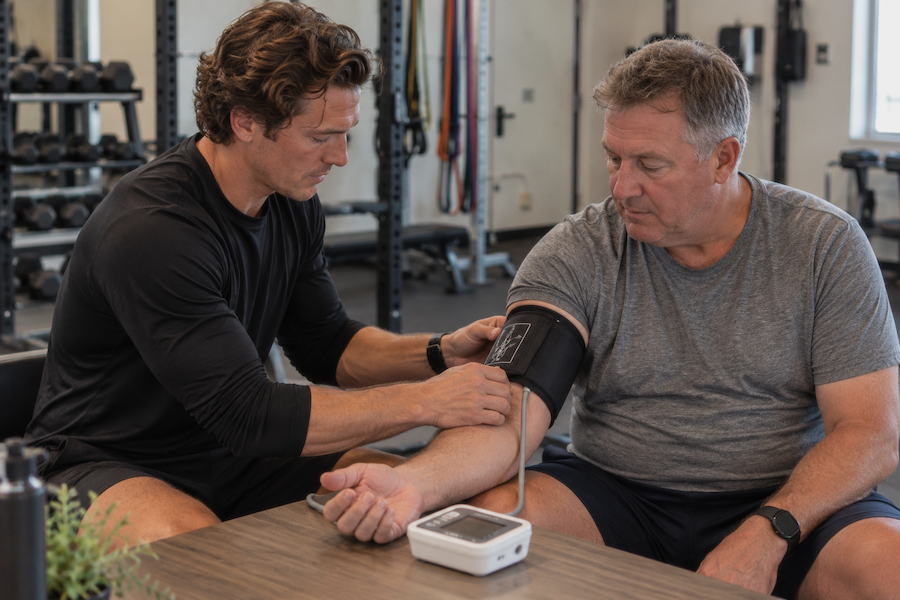
Keep a Record of Your Blood Pressure
If you monitor your blood pressure at home, bring a record of recent readings to discuss with your healthcare provider.
The American Heart Association recommends using a validated upper-arm blood pressure monitor.
For more accurate home readings, sit quietly for at least five minutes, avoid exercise and caffeine for 30 minutes beforehand, and follow the proper cuff-placement instructions.
See the American Heart Association’s home blood pressure monitoring guide.
Confirm Your Medications and Health Instructions
Bring your medication list, prescriptions, and any relevant instructions from your healthcare provider.
If you have questions about exercise or dietary restrictions, address them before traveling.
Don’t Overdo Exercise Before You Arrive
You don’t need to begin an intense workout program just to prepare for your retreat.
If your physician has approved activity, gentle walking and other manageable movements may help you build consistency.
Avoid suddenly increasing exercise intensity.
Discuss Hydration and Outdoor Activity
Utah’s elevation, dry climate, and seasonal temperatures may be different from what you’re accustomed to.
Discuss any relevant restrictions or concerns with your doctor, particularly if you take diuretics or other cardiovascular medications.
Set Meaningful Goals Beyond the Scale
Consider goals such as:
- Developing a consistent walking routine
- Improving cardiovascular endurance
- Learning safe strength-training techniques
- Preparing more balanced meals
- Building healthier sleep habits
- Understanding how to maintain your progress at home
Those goals can support your larger health plan without making unrealistic promises about how much your blood pressure will change during a short stay.
Frequently Asked Questions About High Blood Pressure and Fitness Retreats
Can I go to a fitness retreat if I take blood pressure medication?
Possibly, yes. Many adults taking blood pressure medication can participate in exercise programs. However, your doctor should confirm that an active retreat is appropriate for your condition and medications. Continue taking prescriptions exactly as directed.
Can exercise actually lower blood pressure?
Regular physical activity can help reduce blood pressure in many people over time. Aerobic exercise and appropriately prescribed resistance training can both contribute. Individual results vary, and exercise may be recommended alongside medication rather than instead of it.
Is it safe to lift weights with high blood pressure?
Resistance training may be appropriate for many people with controlled hypertension, but the intensity, technique, and exercise selection should reflect medical guidance. Avoid breath-holding and excessive straining, and follow any restrictions from your healthcare provider.
Can I attend Unite if my blood pressure is 140/90?
A reading of 140/90 falls within Stage 2 hypertension under American Heart Association categories. That reading alone doesn’t establish whether our program is suitable. You’ll need an individual medical assessment and your doctor’s approval before participating.
What if my blood pressure is uncontrolled?
Uncontrolled hypertension requires medical evaluation and treatment. If your healthcare provider hasn’t cleared you for the physical demands of the retreat, postpone participation until your condition has been appropriately managed.
Is walking or hiking good for high blood pressure?
Walking is a valuable form of aerobic exercise and may support blood pressure management. Hiking can provide similar benefits but may be more demanding because of elevation, terrain, and weather. Discuss your intended activity level with your healthcare professional.
Will I need to stop taking blood pressure medication after a retreat?
Not necessarily. Some people experience improved readings with consistent lifestyle changes, but medication needs vary. Only your prescribing healthcare professional should decide whether medication should be adjusted.
Does losing weight help with hypertension?
For adults with excess body weight, medically appropriate weight loss may help improve blood pressure. However, not everyone with hypertension needs weight loss, and the amount of improvement varies.
Can stress reduction help lower blood pressure?
Stress management can support healthier daily behaviors, sleep, and overall well-being. It may also help with temporary stress-related blood pressure changes. It shouldn’t be considered a replacement for medical hypertension treatment.
Does Unite provide medical treatment for high blood pressure?
Unite’s standard retreat is a fitness and lifestyle program, not a dedicated hypertension clinic or cardiac rehabilitation facility. Guests with high blood pressure should remain under the care of their own medical professionals.
How long should I stay at a health retreat?
The right length of stay depends on your health, goals, ability to participate, and available time. A shorter visit can introduce healthy routines, while longer stays provide more opportunities to practice them. No particular duration guarantees blood pressure improvement.
What is the most important thing to do before booking?
Speak with your healthcare provider about the program’s physical demands and obtain medical approval. Then contact Unite to discuss your health considerations, activity needs, and whether the retreat is an appropriate fit.
Improving Your Health Isn’t About Pushing Harder. It’s About Making Smarter Changes.
If you’ve been diagnosed with high blood pressure, it’s understandable to feel concerned about your health.
Maybe your doctor has encouraged you to become more active.
Maybe you’re ready to change your eating habits.
Or maybe your diagnosis was the wake-up call that made you realize you need to start prioritizing yourself.
Whatever brought you here, remember that you don’t need to change everything overnight.
Improving your health isn’t about punishing workouts, restrictive diets, or chasing perfect numbers.
It’s about building a practical routine that supports your long-term well-being.
For some people, a structured fitness retreat can provide valuable education, accountability, and a supportive environment for building those habits.
For others, getting their blood pressure under better medical control is the necessary first step.
Both are meaningful ways to take care of yourself.
Your health is worth investing in—and the right place to begin is the one that’s appropriate for you.
Interested in Unite Fitness Retreat? Let’s Talk About Your Goals.
At Unite Fitness Retreat in Salt Lake City, Utah, we help adults develop healthier habits through personalized fitness, sustainable nutrition, guided outdoor activities, mindfulness, and supportive coaching.
If you’re managing high blood pressure and wondering whether a residential fitness retreat could be appropriate, we’d be happy to explain the program and help you understand the next steps.
Our team can discuss the physical demands, available modifications, dietary considerations, and what information you’ll need from your healthcare provider.
You don’t need to arrive in perfect shape. But you do need to arrive with the right medical clearance and an understanding of what’s appropriate for your health.
Schedule Your Complimentary Consultation
Explore Our Fitness and Exercise Program
View Retreat Rates and Availability
Or call 844-864-8388 to speak directly with our team.
Come As You Are. Leave Stronger.
Medical disclaimer: This article is for educational purposes only and does not provide medical advice or establish medical clearance for exercise. High blood pressure requires individualized evaluation and ongoing care. Consult your healthcare provider before beginning a new exercise program or attending an active fitness retreat. Never stop or adjust prescribed medications without medical guidance. In a medical emergency, call 911.