

GLP-1 Eating Plan
Written by: Wayne Larsen, Certified Strength and Conditioning specialist and Weight Loss Expert, Unite Fitness Retreat
A GLP-1 Friendly Eating Plan for a Fitness Retreat
GLP-1 medications have changed the way many people approach weight loss, appetite, and long-term health. For guests attending a fitness retreat, they can also change how food, exercise, hydration, and recovery need to be planned.
At Unite Fitness Retreat, the goal is not to eat as little as possible. The goal is to eat enough of the right foods to support energy, strength, digestion, recovery, and sustainable weight loss.
A GLP-1 friendly eating plan should be protein-forward, nutrient-dense, easy on digestion, and structured around smaller meals that still provide the body with what it needs.
Why GLP-1 Nutrition Needs a Different Approach
Many guests using GLP-1 medications experience a reduced appetite. That can be helpful for weight loss, but it can also make it harder to get enough protein, fiber, fluids, and key nutrients.
When food intake drops too low, guests may feel tired during workouts, lose muscle, struggle with constipation, or feel nauseous after heavier meals.
That is why a GLP-1 supportive plan should focus on:
Protein at every meal to help preserve lean muscle
Smaller portions that feel comfortable and digest well
Fiber-rich foods to support fullness and digestion
Hydration and electrolytes to reduce fatigue and support training
Balanced carbs around activity for energy
Moderate fats to avoid meals feeling too heavy
This approach supports fat loss while helping guests feel strong, energized, and capable during their retreat.
Daily Nutrition Targets
For many GLP-1 guests at a retreat, a good starting range is:
| Daily Goal | Target |
|---|---|
| Calories | 1,400–1,800 per day |
| Protein | 100–130 grams per day |
| Fiber | 25–35 grams per day |
| Carbohydrates | 90–150 grams per day |
| Fat | 35–55 grams per day |
| Fluids | 80–100 ounces per day |
| Meals | 3 smaller meals + 1 protein snack |
These numbers may need to be adjusted based on body size, activity level, medical needs, appetite, and length of stay. Guests doing longer hikes, higher-intensity workouts, or multiple training sessions may need an additional 150–300 calories per day, usually from protein and carbohydrates.
The GLP-1 Plate Method
A simple GLP-1 friendly plate should be built in this order:
First, start with protein.
Then add vegetables or fruit.
Then add a small portion of smart carbohydrates.
Finish with a modest amount of healthy fat.
A typical meal might include:
| Food Group | Portion |
|---|---|
| Chicken, turkey, fish, lean beef | 4–5 ounces cooked |
| Eggs and egg whites | 1 whole egg + ¾ cup egg whites |
| Greek yogurt | 1 cup |
| Tofu or tempeh | 6–8 ounces |
| Beans or lentils | ½ cup |
| Cooked rice, quinoa, oats, or sweet potato | ⅓–½ cup |
| Non-starchy vegetables | 1½–2 cups |
| Avocado, nuts, seeds, or olive oil | 1–2 small portions |
The key is not to overload the plate. Many guests on GLP-1 medications feel better with smaller meals that are high in nutrition rather than large meals that feel heavy.
A Sample GLP-1 Friendly Day
Here is what one full day of eating could look like at a fitness retreat.
Breakfast
Veggie egg scramble with berries
A satisfying breakfast could include one whole egg, egg whites, sautéed vegetables, a lean protein option such as turkey sausage, and a side of berries.
Approximate nutrition:
330 calories, 34 grams protein, 7 grams fiber
Lunch
Chicken or tofu lettuce wrap with roasted vegetables
Lunch should feel light but filling. A wrap made with lean chicken or tofu, greens, roasted vegetables, and a flavorful sauce such as tzatziki, salsa, or tahini can provide plenty of protein without feeling too heavy.
Approximate nutrition:
395 calories, 36 grams protein, 9 grams fiber
Snack
Greek yogurt with berries
A protein-based snack helps guests meet their daily protein target even if meal portions are smaller.
Approximate nutrition:
180 calories, 20 grams protein, 4 grams fiber
Dinner
Salmon with asparagus, cauliflower mash, and mixed greens
Dinner should support recovery without being overly rich. Salmon provides protein and healthy fats, while vegetables and greens add fiber, volume, and micronutrients.
Approximate nutrition:
445 calories, 32 grams protein, 10 grams fiber
Daily Total
About 1,350 calories, 122 grams protein, and 30 grams fiber
5-Day GLP-1 Friendly Retreat Menu
Day 1
Breakfast: Veggie egg scramble with berries
Lunch: Chicken or tofu lettuce wrap with roasted vegetables
Snack: Greek yogurt or protein bar with berries
Dinner: Salmon with asparagus, cauliflower mash, and mixed greens
Approximate total: 1,350 calories, 122 grams protein, 30 grams fiber
Day 2
Breakfast: Protein overnight oats with Greek yogurt, walnuts, and banana
Lunch: Turkey lettuce wraps or chickpea “tuna” with slaw and sweet potato
Snack: Cottage cheese or a plant-based protein shake with fruit
Dinner: Beef or tofu vegetable curry stir-fry with quinoa
Approximate total: 1,420 calories, 118 grams protein, 32 grams fiber
Day 3
Breakfast: Breakfast tacos with eggs or tofu, black beans, pico, avocado, and corn tortillas
Lunch: Mediterranean chicken, tofu, or falafel platter with cucumber salad, hummus, and greens
Snack: Protein shake or bar
Dinner: Lemon pepper chicken with roasted vegetables and mixed greens
Approximate total: 1,375 calories, 125 grams protein, 29 grams fiber
Day 4
Breakfast: Greek yogurt parfait with berries, seeds, light granola, and egg bites
Lunch: Big chopped salad with steak strips, chickpeas, tomatoes, pepitas, and citrus vinaigrette
Snack: Cheese stick or protein bar with fruit
Dinner: Shrimp fajita skillet or tofu fajitas with peppers, onions, guacamole, and lettuce cups
Approximate total: 1,430 calories, 120 grams protein, 31 grams fiber
Day 5
Breakfast: Protein pancakes with berries and a side of eggs or egg whites
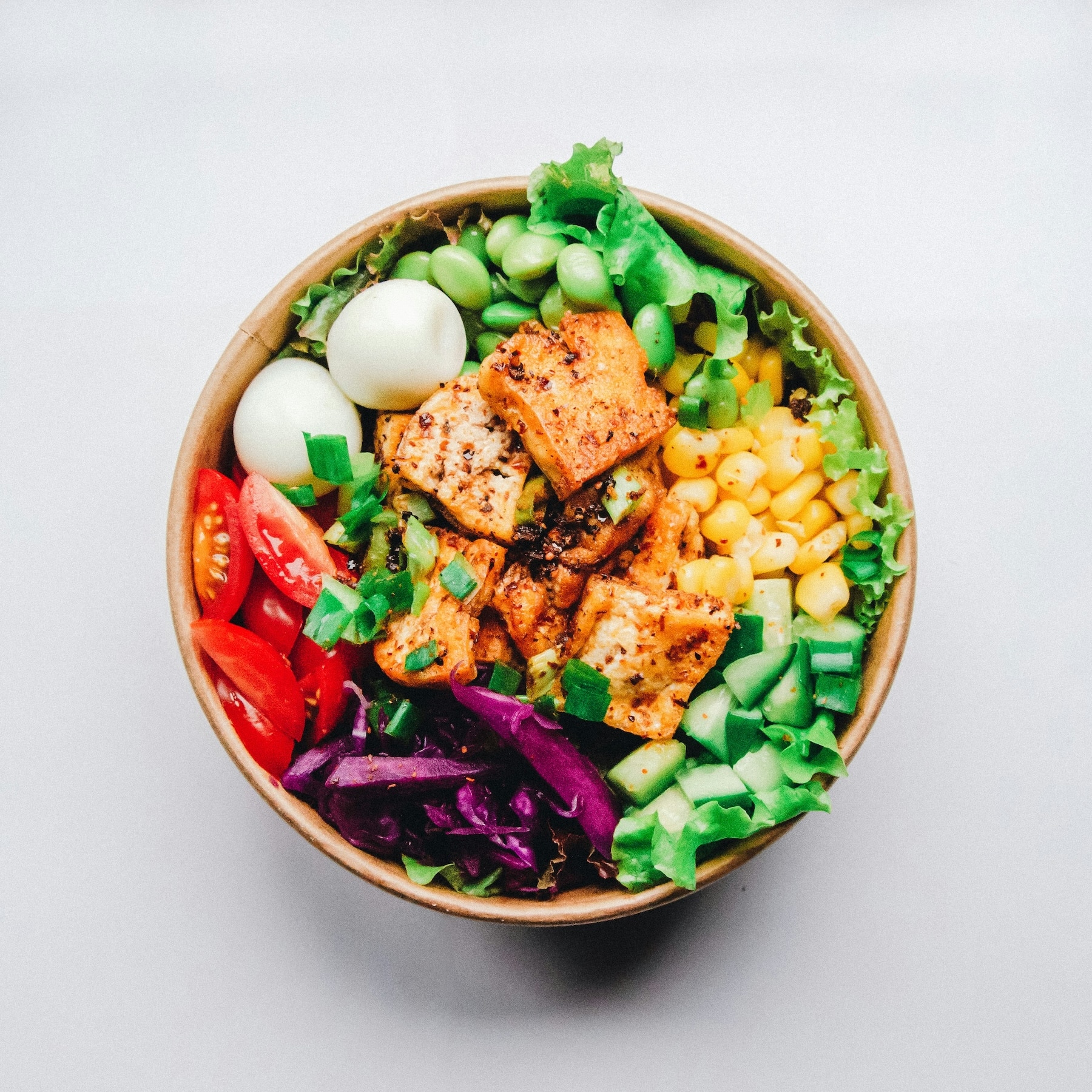
Lunch: Poke-style bowl with tuna or tofu, cauliflower rice, edamame, cucumber, and sesame-ginger sauce
Snack: Fruit with nuts or a protein shake
Dinner: Turkey meatballs or lentil meatballs with zucchini noodles, marinara, and roasted broccoli
Approximate total: 1,450 calories, 126 grams protein, 33 grams fiber
How to Eat Comfortably on GLP-1 Medications
Guests on GLP-1 medications often feel best when meals are simple, balanced, and not too large. Eating slowly also matters. A smaller meal eaten mindfully is usually better tolerated than a large meal eaten quickly.
Here are a few helpful guidelines:
| If You Experience… | Try This |
|---|---|
| Nausea | Choose smaller portions, lean protein, bland foods, and ginger tea |
| Constipation | Increase fluids, add berries, chia, flax, vegetables, and beans gradually |
| Low appetite | Eat protein first, then vegetables, then carbs and fats |
| Training fatigue | Add ½ banana, ⅓ cup oats, or ½ cup sweet potato around workouts |
| Feeling overly full | Reduce added fats, creamy sauces, fried foods, and large portions |
| Dehydration | Track water intake and add electrolytes when needed |
Protein Comes First
For guests on GLP-1 medications, protein should be the anchor of the plan. Lower appetite can make it easy to undereat protein, which may increase the risk of muscle loss during weight loss.
A strong daily target is 100–130 grams of protein, spread across the day.
That could look like:
Breakfast: 30–35 grams
Lunch: 30–40 grams
Snack: 15–25 grams
Dinner: 35–45 grams
This structure supports strength training, recovery, metabolism, and satiety.
Hydration Matters More Than Ever
Because GLP-1 medications can reduce appetite and sometimes affect digestion, hydration becomes especially important. Guests should aim for 80–100 ounces of fluid per day, with electrolytes added when needed.
Electrolytes may be especially helpful during hot weather, hikes, pool workouts, heavy sweating, nausea, vomiting, diarrhea, or very low food intake.
A simple retreat hydration goal could be:
Before breakfast: 16 ounces
During morning training: 20–24 ounces
Between lunch and afternoon activity: 20–24 ounces
During afternoon workout or hike: 20–24 ounces
Evening: 16–20 ounces
The Goal Is Sustainable, Not Extreme
A GLP-1 friendly retreat eating plan should not feel like punishment. It should feel supportive, structured, and realistic.
The best plan helps guests:
Eat enough protein
Stay hydrated
Support digestion
Fuel workouts
Protect muscle
Lose fat safely
Build habits they can repeat at home
At Unite Fitness Retreat, this kind of approach fits naturally into a full wellness experience: chef-prepared meals, movement, recovery, education, accountability, and daily structure.
GLP-1 medications can be a powerful tool, but nutrition, strength training, hydration, and lifestyle habits are what help guests get the most out of that tool long term.
A GLP-1 friendly eating plan should not be extreme. It should be strategic.
The goal is not to under-eat. The goal is to eat enough protein, fiber, fluids, and nutrients to support fat loss, muscle preservation, digestion, energy, and long-term health.
At Unite Fitness Retreat, that looks like:
1,400–1,800 calories per day (based on your BMR, these numbers may be more or less depending on your needs)
100–130 grams of protein
25–35 grams of fiber
80–100 ounces of fluids
3 smaller meals + 1 protein snack
Daily movement, strength training, mobility, recovery, and coaching
GLP-1 medications may help reduce appetite. A supportive retreat plan helps guests learn what to do with that appetite change: fuel well, move consistently, recover fully, and build habits that last long after they go home.
Frequently Asked Questions About GLP-1 Friendly Eating at a Fitness Retreat
What should I eat while taking GLP-1 medication at a fitness retreat?
A GLP-1 friendly meal plan should focus on lean protein, fiber-rich vegetables, moderate carbohydrates, healthy fats, and plenty of fluids. Smaller meals are often easier to tolerate, especially when appetite is lower. At a fitness retreat, the goal is to eat enough to support workouts, recovery, digestion, and sustainable fat loss.
How much protein do I need while on GLP-1 medication?
Many guests benefit from aiming for about 100–130 grams of protein per day, depending on body size, activity level, medical needs, and appetite. Spreading protein across breakfast, lunch, a snack, and dinner can help support muscle preservation, strength training, recovery, and satiety.
Can I exercise at a fitness retreat while taking GLP-1 medication?
Yes, many guests can exercise while taking GLP-1 medication, but fueling and hydration become especially important. Because appetite may be reduced, guests may need to be intentional about eating enough protein and adding small portions of carbohydrates around workouts to help prevent fatigue.
What should I do if I feel nauseous while eating on GLP-1 medication?
If nausea occurs, smaller meals, lean protein, bland foods, slower eating, and lighter sauces may help. Some guests also do better by avoiding fried foods, creamy sauces, large portions, or meals that are very high in fat. Ginger tea may also be helpful for some people.
How do I avoid constipation while taking GLP-1 medication?
Constipation can happen when food intake, fluids, or fiber are too low. A supportive plan should include water, electrolytes when needed, berries, vegetables, chia, flax, beans, and other fiber-rich foods introduced gradually. Movement and consistent hydration can also support digestion.
Should I eat carbohydrates while on GLP-1 medication?
Yes. Carbohydrates can help support energy, especially during workouts, hikes, or longer training days. The goal is not to eliminate carbs, but to choose smart portions of nutrient-dense options such as oats, quinoa, rice, sweet potatoes, fruit, beans, or lentils.
How much water should I drink while taking GLP-1 medication?
A good general target for many retreat guests is 80–100 ounces of fluid per day. Electrolytes may be helpful during hot weather, heavy sweating, hiking, pool workouts, nausea, vomiting, diarrhea, or very low food intake.
Can I follow a vegetarian or plant-based GLP-1 friendly meal plan?
Yes. Plant-based guests can still follow a GLP-1 friendly plan by prioritizing protein sources such as tofu, tempeh, Greek yogurt if vegetarian, cottage cheese, beans, lentils, edamame, plant-based protein shakes, and high-protein snacks. The same principles apply: protein first, fiber-rich foods, smaller portions, hydration, and balanced meals.
Is 1,400–1,800 calories enough during a fitness retreat?
For many GLP-1 guests, 1,400–1,800 calories may be a helpful starting range, but needs vary. Guests doing longer hikes, higher-intensity workouts, or multiple training sessions may need an additional 150–300 calories per day, usually from protein and carbohydrates.
What is the biggest nutrition mistake people make on GLP-1 medications?
One of the biggest mistakes is eating too little overall, especially too little protein. GLP-1 medications may reduce appetite, but the body still needs enough protein, fluids, fiber, and nutrients to support energy, digestion, muscle, and long-term health. The goal is not extreme restriction. The goal is strategic fueling.
Recent Posts
Health Reset Retreat
Unite Fitness Retreat2026-10-17T12:10:42-06:00October 17, 2026|
How to Improve Metabolic Health After 50
Algofy2026-10-14T19:51:26-06:00October 14, 2026|
Why Weight Loss Plateaus Happen
Algofy2026-10-14T19:53:08-06:00October 7, 2026|
Weight Loss vs. Fat Loss
Algofy2026-10-06T09:45:54-06:00October 6, 2026|