

What is a Weight Loss Retreat?
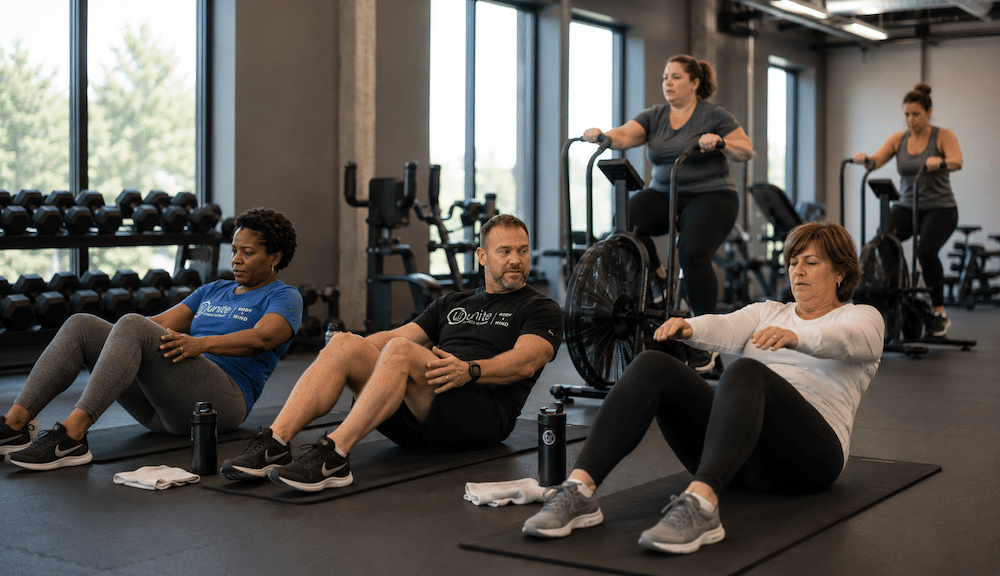
What Is a Weight Loss Retreat for Adults?
Daily Schedule, Programs, Results, and How to Know If It’s Right for You
A weight loss retreat for adults is not just a vacation with a few workouts added in. At its best, it is a structured wellness environment designed to help you step away from daily distractions, rebuild healthy routines, receive expert support, and leave with a realistic plan you can continue at home.
For many adults, the appeal is simple: life gets busy, motivation comes and goes, and trying to lose weight alone can feel overwhelming. A retreat creates a reset. Your meals are planned, your workouts are scheduled, your recovery is built in, and your day is organized around your health instead of everyone else’s needs.
But not every retreat is the same. Some feel like luxury spa vacations. Others are more like boot camps. Some focus on medical weight loss, while others combine fitness, nutrition, mindset, recovery, and lifestyle coaching.
So what does a weight loss retreat for adults actually involve? Here is what to expect before you book.
What Is a Weight Loss Retreat for Adults?
A weight loss retreat is an immersive program where guests stay on-site or near the program location while following a structured schedule of fitness, nutrition, education, recovery, and coaching.
Unlike a regular gym membership or online plan, a retreat removes the guesswork. You are not deciding what to eat, when to exercise, or how to structure your day. The program is already built for you.
Most adult weight loss retreats include some combination of:
- Daily workouts
- Guided walks, hikes, or cardio sessions
- Strength training
- Mobility, stretching, yoga, or recovery work
- Chef-prepared meals and snacks
- Nutrition education
- Mindset or lifestyle coaching
- Health assessments or progress tracking
- Group support and accountability
- Optional private services such as massage, nutrition counseling, physical therapy, or personal training
The goal is not only to lose weight during the retreat. The deeper goal is to help you build habits that last after you return home.
What a Typical Day Looks Like at a Weight Loss Retreat
While every weight loss retreat has its own rhythm, most adult programs follow a consistent daily flow. Structure is one of the biggest benefits. You wake up knowing your day is already planned.
A typical day might look like this:
6:30 AM: Wake-up, hydration, and intention setting
Many retreats begin the day gently with hydration, light mobility, journaling, meditation, or a short mindset practice. This helps guests start the day calmly rather than rushing straight into intensity.
7:00 AM: Healthy breakfast
Breakfast is usually protein-forward and designed to fuel activity. Depending on the retreat, this might include eggs, Greek yogurt, oatmeal, fruit, lean protein, or plant-based options.
8:00 AM–11:30 AM: Structured fitness training
The morning often includes the most focused fitness block of the day. This may involve strength training, circuit training, functional movement, cardio intervals, balance work, or technique coaching. A strong adult retreat should modify workouts for different fitness levels, injuries, joint limitations, and experience levels.
12:00 PM: Lunch and education
Lunch is typically followed by a workshop or coaching session. Topics may include portion awareness, protein needs, emotional eating, meal planning, sleep, stress, metabolism, grocery shopping, or how to maintain results after the retreat.
1:00 PM–2:30 PM: Outdoor activity or low-impact cardio
Many programs include hiking, walking, swimming, cycling, pool workouts, or zone-2 cardio. This helps increase daily movement without relying only on high-intensity exercise.
4:00 PM: Recovery, mobility, yoga, or private services
Afternoons often shift toward recovery. Guests may do yoga, stretching, breathwork, meditation, massage, physical therapy, or quiet rest.
6:30 PM: Dinner
Dinner is usually chef-prepared and balanced around lean protein, vegetables, healthy fats, and smart carbohydrates.
Evening: Wind-down time
Evenings may include journaling, a walk, hot tub time, group discussion, sound bath, mindfulness, or quiet time before bed.
Unite Fitness Retreat, for example, uses a structured daily schedule that includes a gentle wake-up, chef-prepared meals, private gym training, nutrition or lifestyle workshops, scenic hikes or pool workouts, mobility or meditation, and evening recovery time.
What Types of Programs Are Offered?
Weight loss retreats for adults usually fall into a few categories. The right one depends on your goals, health background, personality, and preferred environment.
1. Fitness-Focused Weight Loss Retreats
These retreats emphasize movement, strength, conditioning, and active weight loss. They are ideal for adults who want a clear fitness structure and enough coaching to build confidence in their bodies.
A good fitness-focused retreat should include more than random workouts. Look for:
- Personalized training
- Safe exercise modifications
- Strength training
- Cardio conditioning
- Mobility and recovery
- Progress tracking
- Coaching on how to continue at home
This type of program is often a strong fit for adults who feel stuck, inconsistent, or unsure how to exercise effectively on their own.
2. Nutrition and Lifestyle Retreats
Some retreats focus heavily on nutrition education, cooking skills, mindful eating, and daily lifestyle habits. These programs may be less intense physically but can be very helpful for people who struggle with emotional eating, meal structure, or consistency.
A strong nutrition retreat should teach practical skills, not just serve healthy food. Guests should leave understanding how to build balanced meals, shop more confidently, manage cravings, and create a plan they can repeat at home.
3. Medical or Metabolic Health Retreats
Medical-style programs may include physician oversight, lab work, metabolic testing, medication review, or support for conditions such as high blood pressure, diabetes, cholesterol concerns, or obesity-related health risks.
These can be a good fit for guests who want more clinical support or have health concerns that require closer monitoring.
4. Wellness and Mindfulness Retreats
Wellness retreats may focus more on stress reduction, sleep, yoga, meditation, nervous system regulation, and emotional reset. Weight loss may be part of the outcome, but the tone is usually gentler and less fitness-intensive.
These retreats can be useful for adults whose weight struggles are tied to burnout, chronic stress, poor sleep, or emotional overload.
5. Boutique All-Inclusive Retreats
Boutique retreats, like Unite Fitness Retreat, combine structure with personal attention. They are usually smaller, more intimate, and less overwhelming than large resort-style programs.
Unite Fitness Retreat is a real-world example of this model. Its materials describe the retreat as a boutique fitness, wellness, and weight loss retreat, with intentional group size, personalized coaching, high-touch care, and curated programming across strength, conditioning, mobility, recovery, nutrition, and mindset.
This kind of setting can be especially appealing for adults who want support without feeling lost in a crowd.
What Do You Eat at a Weight Loss Retreat?
Food at a quality weight loss retreat should feel supportive, not punishing. The best programs do not rely on starvation, extreme restriction, or bland “diet food.” Instead, meals are typically designed to support energy, training, recovery, digestion, and sustainable fat loss through a mindful eating approach.
You can usually expect:
- Lean proteins
- Vegetables and seasonal produce
- Smart carbohydrates
- Healthy fats
- Hydration support
- Snacks between sessions
- Accommodations for dietary restrictions
- Education about how to recreate meals at home
At Unite Fitness Retreat, the sample menu is described as protein-forward and built around whole foods, balanced carbohydrates, healthy fats, hydration, and snack options. The brochure notes that plant-based, gluten-free, and dairy-free choices are available at every meal.
A sample retreat menu might include meals like veggie egg scrambles, protein overnight oats, Mediterranean bowls, salmon with vegetables, turkey lettuce wraps, protein pancakes, poke-style bowls, or turkey meatballs with zucchini noodles.
The key is that meals should help you feel fueled, not deprived.
Who Are Weight Loss Retreats Designed For?
Weight loss retreats are designed for adults who want concentrated support, structure, and a meaningful reset. They can serve many different types of guests.
You may be a good fit if you:
- Feel stuck in your current weight loss efforts
- Need a break from daily stressors
- Want expert guidance instead of guessing
- Struggle with consistency at home
- Want to rebuild strength and confidence
- Need help creating a realistic routine
- Are navigating midlife weight gain
- Want accountability and community
- Prefer an immersive experience over a self-directed plan
- Are recovering from burnout and want to prioritize your health
Many adults who attend retreats are not looking for a quick fix. They are looking for a turning point.
Some guests come after years of putting work, family, caregiving, or stress ahead of their own health. Others come because they know what to do in theory but need help putting it all together. Some are active but want better nutrition. Others are beginners who need a safe, supportive place to start.
Who Should Be Cautious Before Booking?
A weight loss retreat can be powerful, but it is not the right fit for every situation.
You should speak with a healthcare provider before attending if you have:
- Uncontrolled blood pressure
- Recent surgery
- Serious heart conditions
- Active eating disorder symptoms
- Severe mobility limitations
- Complex medical needs
- Medication changes that require monitoring
- Any condition that may make exercise unsafe without medical clearance
You should also be cautious with retreats that promise extreme weight loss, use shame-based messaging, or rely on punishing workouts. Sustainable change should feel challenging, but it should not feel unsafe, humiliating, or impossible to maintain.
What Results Can You Expect?
Results vary based on starting point, retreat length, health status, fitness level, nutrition needs, sleep, stress, and how consistently you follow the plan after returning home.
Some guests may lose weight during the retreat. Others may notice changes in energy, bloating, strength, mood, sleep, or confidence before the scale moves dramatically.
Common results can include:
- Weight loss
- Reduced bloating
- Improved energy
- Better sleep
- Increased strength
- Better mobility
- More confidence exercising
- Improved meal structure
- Stronger motivation
- Healthier routines
- A clearer plan for home
The most realistic expectation is this: a retreat can help you create momentum, but it cannot do the long-term work for you. The best retreats acknowledge that. They focus on education, habit formation, and aftercare rather than only short-term numbers.
Unite’s materials emphasize long-term lifestyle change, describing its program as designed to help guests build strength, energy, resilience, confidence, and habits that continue after the retreat ends.
How Long Should You Stay?
Retreat lengths vary widely. Some are weekend resets. Others last one week, two weeks, a month, or longer.
Here is a general guide:
3–4 days: Best for a reset, introduction, or motivation boost.
5–7 days: A strong option for learning routines, building momentum, and experiencing meaningful structure.
2–3 weeks: Better for deeper habit change, improved fitness, and more practice with nutrition and recovery.
4+ weeks: Best for guests seeking a more significant transformation or those who need extended support.
Unite offers several stay lengths, including 3-, 4-, and 5-day Express Reset Retreats, a 1-week Kick-Start Retreat, 2- and 3-week Habit-Changer Retreats, and 4+ week Transformation Retreats.
The right length depends on your goal. If you need rest and clarity, a shorter stay may help. If you want to change deeply ingrained habits, a longer stay may be more effective.
What Makes a Retreat “All-Inclusive”?
“All-inclusive” can mean different things depending on the retreat, so it is important to ask what is actually included.
A true all-inclusive weight loss retreat may include:
- Lodging
- Meals and snacks
- Daily workouts
- Coaching
- Group classes
- Workshops
- Assessments
- Recovery sessions
- Outdoor activities
- Aftercare planning
Some retreats include spa services or private coaching. Others offer those as upgrades.
Unite’s all-inclusive program includes a private room and bath, chef-prepared meals and snacks, fitness and health assessments, weekly check-ins, personalized fitness training, daily hikes, mobility and yoga, sound bath and mindfulness training, nutrition, mindset and lifestyle education, group life-coaching, the Unite app, and an aftercare plan. Optional private sessions may include spa services, in-room massage, physical therapy, chiropractic care, nutritional counseling, private life coaching, private fitness, or cooking classes.
Before booking any retreat, ask for a clear list of inclusions so you understand the full investment.
The Role of Mindfulness and Recovery
One of the biggest misconceptions about weight loss retreats is that success comes from exercising all day. In reality, recovery & mindfulness matters.
Adults often arrive at retreats carrying stress, poor sleep, decision fatigue, and years of inconsistent routines. A good retreat helps calm the nervous system as much as it challenges the body.
Mindfulness and recovery may include:
- Yoga
- Stretching
- Breathwork
- Meditation
- Journaling
- Sound baths
- Massage
- Quiet time
- Sleep support
- Gentle walking
- Hot tub or spa recovery
This is where a mountain or nature-based setting can be especially powerful. Outdoor movement, fresh air, scenic hikes, and quieter surroundings can make the experience feel less like a punishment and more like a reset.
Unite’s mountain setting is part of its appeal, with daily hikes, outdoor movement, and recovery practices woven into the program. Its materials also highlight mindfulness training, sound bath, mobility, yoga, meditation, and quiet evening options.
How to Choose the Right Weight Loss Retreat
Before booking, compare retreats carefully. The best choice is not always the most luxurious or the most intense. It is the one that matches your body, goals, and personality.
Ask these questions:
What is the daily schedule?
A vague schedule can be a red flag. Look for structure, but also enough recovery.
Who is on staff?
Ask about trainers, nutrition professionals, coaches, therapists, medical providers, or recovery specialists.
How personalized is the program?
A retreat should be able to modify workouts, meals, and intensity levels.
What is included in the price?
Clarify lodging, meals, classes, private sessions, assessments, transportation, and aftercare.
What happens after I leave?
A strong retreat should help you create a realistic home plan.
Is the environment supportive?
You want accountability, not shame. Encouragement matters.
Does the retreat match my fitness level?
Beginners and advanced guests need different levels of support.
Are meals sustainable?
Avoid programs built around extreme restriction or unrealistic plans.
Is a Weight Loss Retreat Worth It?
A weight loss retreat can be worth it if you use it as a launchpad, not a magic solution.
It may be especially valuable if you need:
- A break from your normal environment
- Professional guidance
- Daily accountability
- Healthy meals without planning
- A structured fitness routine
- A supportive community
- Time to focus fully on your health
- A realistic strategy for long-term change
The biggest benefit is not just what happens during the retreat. It is what the retreat helps you understand about yourself: what kind of movement you enjoy, what foods help you feel energized, what routines are realistic, and what support you need to stay consistent.
Final Thoughts: Is a Weight Loss Retreat Right for You?
A weight loss retreat for adults is not simply about losing pounds. It is about stepping into an environment where your health becomes the priority.
The right retreat gives you structure without chaos, support without judgment, and challenge without punishment. It helps you move your body, fuel yourself well, recover deeply, and return home with a plan that feels possible.
For adults who want a boutique, all-inclusive experience, Unite Fitness Retreat offers one example of how this model can look in real life: personalized coaching, chef-prepared meals, daily hikes, strength training, nutrition education, mindfulness, recovery, and aftercare in a mountain setting. Its program is designed to blend fitness, nutrition, mindset, and lifestyle support in a way that feels structured but sustainable.
Ultimately, the best retreat is the one that helps you feel capable again. Not just lighter, but stronger. Not just motivated, but equipped. And not just reset for a week, but ready for the next chapter of your health.
FAQ: Weight Loss Retreats for Adults
What is a weight loss retreat for adults?
A weight loss retreat for adults is an immersive wellness program that combines structured fitness, healthy meals, education, coaching, recovery, and accountability. Unlike a regular vacation or gym program, a retreat gives you a daily schedule designed around your health goals so you can focus fully on building better habits.
What do you do each day at a weight loss retreat?
Most weight loss retreats include a mix of workouts, walks or hikes, strength training, mobility, nutrition education, mindfulness, recovery time, and chef-prepared meals. At a boutique retreat like Unite Fitness Retreat, a typical day may include morning intention setting, private gym training, nutrition or lifestyle workshops, scenic outdoor activities, yoga or mobility, meditation, and evening recovery.
Are weight loss retreats only for people who are already fit?
No. Many adults attend weight loss retreats because they want help getting started again. A quality retreat should modify workouts for different fitness levels, ages, body types, injuries, and experience levels. The right program should challenge you safely without making you feel intimidated or left behind.
How much weight can you lose at a weight loss retreat?
Weight loss varies based on your starting point, retreat length, nutrition, activity level, sleep, stress, and health history. Some guests may lose weight during the retreat, while others first notice better energy, reduced bloating, improved strength, better sleep, and more confidence. The most important result is leaving with habits you can continue at home.
How long should I stay at a weight loss retreat?
A shorter 3- or 4-day retreat can be helpful for a reset, while a 1-week retreat is often ideal for building momentum. Longer stays, such as 2, 3, or 4+ weeks, may be better for deeper habit change and more noticeable physical progress. Unite offers multiple retreat lengths, including express resets, 1-week kick-start programs, habit-changing stays, and longer transformation retreats.
What should I look for in an adult weight loss retreat?
Look for a retreat that offers structured daily programming, safe fitness coaching, nutritious meals, recovery time, education, and a realistic aftercare plan. It is also helpful to choose a retreat with transparent pricing, clear inclusions, experienced staff, and an environment that feels supportive rather than extreme.
Is a weight loss retreat better than a wellness resort?
It depends on your goal. A wellness resort may be best if you want spa services, relaxation, and a broad menu of optional activities. A weight loss retreat is usually better if you want structure, accountability, nutrition support, daily movement, and a clear plan for long-term change. Unite is a strong option for adults who want the boutique feel of a retreat with the structure of a fitness and weight loss program.
What kind of food is served at a weight loss retreat?
Most high-quality retreats serve balanced, nutrient-dense meals built around lean protein, vegetables, whole-food carbohydrates, healthy fats, and hydration. The goal should be to fuel your body, not starve it. Unite’s approach includes chef-prepared meals and snacks with options for common dietary needs such as plant-based, gluten-free, and dairy-free preferences.
Do weight loss retreats teach you what to do after you leave?
The best ones do. A retreat should not only help you feel better while you are there; it should help you return home with a practical plan. Look for education around meal planning, exercise routines, mindset, sleep, stress, and habit formation. Unite includes lifestyle education, weekly check-ins, the Unite app, and an aftercare plan to help guests continue their progress.
Are weight loss retreats safe?
Most retreats are safe for generally healthy adults, but you should check with your healthcare provider before attending if you have heart concerns, uncontrolled blood pressure, recent surgery, major injuries, complex medical needs, or a history of eating disorders. A reputable retreat should be able to modify activities and encourage safe, sustainable progress.
Is a weight loss retreat worth it?
A weight loss retreat can be worth it if you want structure, expert guidance, accountability, and time away from daily distractions. It is especially valuable for adults who feel stuck, burned out, inconsistent, or unsure how to restart. The best retreat helps you leave not only lighter, but stronger, more confident, and better equipped to maintain your results.
Call 1-844-864-8388 to set up a complimentary consultation today!